
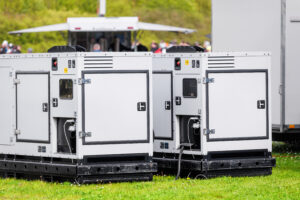
Residential Generators

Reliable Backup Power for Your Home

Power outages can strike without warning—whether caused by severe seasonal storms, grid instability, or unexpected equipment failures. A residential generator keeps your critical systems running, ensuring your home remains safe, comfortable, and functional.

Key Benefits of Home Generators

  • Uninterrupted Comfort: Keep your heating, air conditioning, and ventilation running during extreme hot or cold weather.
  • Food & Appliance Preservation: Protect thousands of dollars in groceries by maintaining continuous power to refrigerators and freezers.
  • Property Protection: Keep sump pumps operational to prevent basement flooding during heavy rainstorms.
  • Work & Communication: Ensure Wi-Fi networks, home offices, and charging stations stay online.

Generator Options

  • Standby Generators: Permanently installed outdoors and connected directly to your home’s electrical panel and fuel supply (natural gas or propane). They automatically switch on within seconds of a blackout, providing full-home or essential-circuit power.
  • Portable Generators: Mobile units designed to power selected appliances via heavy-duty extension cords or a manual transfer switch. Ideal for short-term emergency backup.

Why Professional Installation Matters

Proper sizing, safety clearances, and electrical transfer switches are vital to safe operation. Certified HVAC and electrical specialists ensure your backup generator meets local safety codes and functions seamlessly when you need it most.

Residential Generator FAQs

What is the difference between a standby generator and a portable generator?

A standby generator is permanently installed outdoors and connects directly to your home’s natural gas or propane line and electrical panel. It detects power outages automatically and turns on within seconds, providing full-home or essential-circuit power. A portable generator is a mobile, gas-powered unit that requires manual setup and uses heavy-duty extension cords or a manual transfer switch to power select appliances temporarily.

Depending on its wattage capacity, a home generator can keep critical systems running, including heating, ventilation, and air conditioning (HVAC) units, refrigerators and freezers to prevent food spoilage, sump pumps to prevent basement flooding, and Wi-Fi networks, home offices, and device-charging stations.

Most permanent home standby generators run on natural gas or liquid propane (LP). Because they connect directly to your home’s existing utility supply or a dedicated outdoor storage tank, they do not require manual refueling during an extended power outage.

Proper sizing, precise electrical load calculations, safety clearances, and the installation of an automatic or manual transfer switch are vital for safe operation. Certified specialists ensure that your system complies with local electrical and building codes and safely isolates your home’s circuits from the municipal grid to prevent utility worker injury.

Choosing the correct size depends on whether you want whole-home coverage or just backup power for essential appliances. To determine your needs, make a list of critical appliances, add up their running and starting (surge) wattages, and consult a professional HVAC or electrical contractor to evaluate your home’s electrical panel capacity.

Related blogs

Residential Generators

Residential Generators: Understanding Your Backup Power Options

Power outages can happen unexpectedly due to severe weather, equipment failures, grid disruptions, or other electrical issues. When the power goes out, everyday essentials such as lighting, heating and cooling equipment, refrigerators, communication devices, and other household systems may be affected. A residential generator can provide a source of backup power and help homeowners stay better prepared for unexpected outages.

Read More »
Scroll to Top

Ask the expert

Fill out the form below, and we will be in touch shortly.